

Obstructive Sleep Apnea (OSA) and Hearing Loss
Obstructive Sleep Apnea and Hearing Loss
Recent research found that individuals with sleep apnea have poorer hearing compared to those without the condition. Additionally, those with more severe sleep apnea had more severe degrees of hearing loss.9
Sleep apnea may lead to hearing loss due to low oxygen levels in the blood. During sleep apnea, breathing interruptions can harm the delicate structures in the inner ear that are sensitive to blood flow and oxygen.9
However, it’s important to note that other factors, such as age and cardiovascular comorbidities, can also contribute to hearing loss, making it challenging to establish a direct relationship between sleep apnea and hearing loss.1
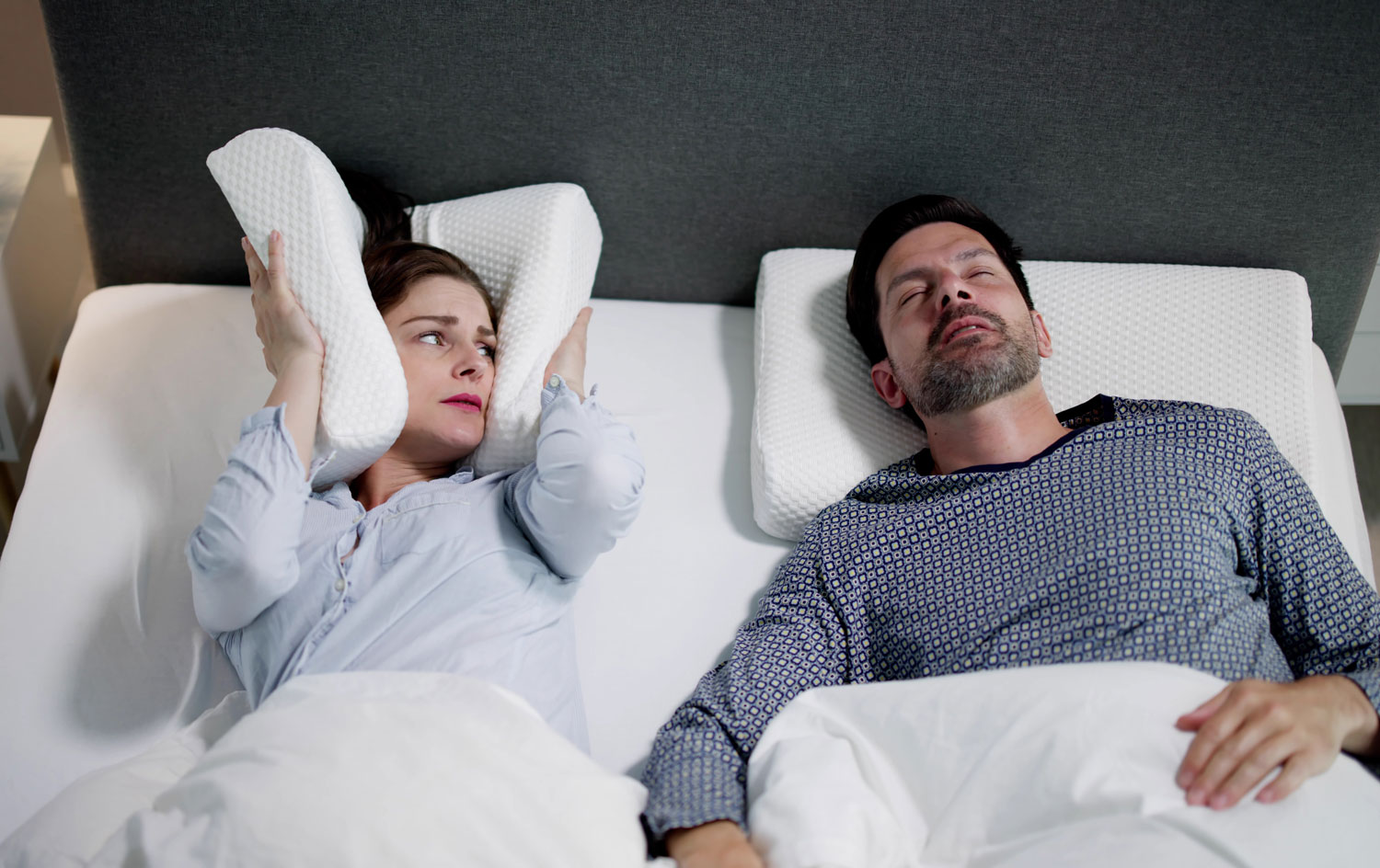
Prevalence of Obstructive Sleep Apnea
Nonrestorative sleep resulting from obstructed sleep apnea has significant implications for driving safety, mental
health, and quality of life.3
30 million
people in the United States have some form of sleep apnea, though only 6 million have been diagnosed with the condition.4
Adults age 65+
are at a significantly increased risk for sleep apnea.6
2x more
likely for men to have at least mild obstructive sleep apnea than women.5
What is Obstructive Sleep Apnea?
Obstructive sleep apnea is one of the most common sleep disorders worldwide.1,2
Obstructive sleep apnea is characterized by episodes of partial or complete collapse of the airway during sleep, resulting in decreased oxygen levels and/or disrupted sleep.3
Obstructive sleep apnea affects overall health7,8
Health risks associated with sleep apnea7:
- Obesity
- High blood pressure
- GERD
- Diabetes
- High cholesterol
- Hearing loss8
Noticing Any Changes in Your Hearing?
Individuals with sleep apnea should prioritize regular hearing tests to monitor their hearing health. If you notice any changes, talk to your doctor about treatment options and ways to support your hearing. Always consult your physician for all ongoing medical conditions, treatments, or concerns.
References:
1. Surani, S., & Taweesedt, P. (2022). Obstructive sleep apnea: New perspective. Medicina (Kaunas), 59(1), 75. https://doi.org/10.3390/medicina59010075
2. Ragnoli, B., Pochetti, P., Raie, A., & Malerba, M. (2021). Comorbid insomnia and obstructive sleep apnea (COMISA): Current concepts of patient management. IJERPH, 18(17), 9248. https://doi.org/10.3390/ijerph18179248
3. Slowik, J. M., Sankari, A., & Collen, J. F. (2024). Obstructive sleep apnea. In StatPearls. StatPearls Publishing. Available from: https://www.ncbi.nlm.nih.gov/books/NBK459252/
4. Berg, S. (2022, April 1). What doctors wish patients knew about sleep apnea. American Medical Association. https://www.ama-assn.org/delivering-care/public-health/what-doctors-wish-patients-knew-about-sleep-apnea
5. Frost & Sullivan. (2016). Hidden health crisis costing America billions. American Academy of Sleep Medicine. https://aasm.org/resources/pdf/sleep-apnea-economic-crisis.pdf
6. Braley, T. J., Dunietz, G. L., Chervin, R. D., Lisabeth, L. D., Skolarus, L. E., & Burke, J. F. (2018). Recognition and diagnosis of obstructive sleep apnea in older Americans. J Am Geriatr Soc, 66(7), 1296-1302. https://doi.org/10.1111/jgs.15372
7. Pinto, J. A., Ribeiro, D. K., Cavallini, A. F., Duarte, C., & Freitas, G. S. (2016). Comorbidities associated with obstructive sleep apnea: A retrospective study. Int Arch Otorhinolaryngol, 20(2), 145-150. https://doi.org/10.1055/s-0036-1579546
8. Mohammadi, A. H., Mehrparvar, A. H., Soltani-Gerdfaramarzi, R., Samimi, E., & Mostaghaci, M. (2016). Evaluation of the association between obstructive sleep apnea and hearing loss. J Sleep Sci, 1(3), 94-100
9. Kasemsuk, N., Chayopasakul, V., Banhiran, W., Prakairungthong, S., Rungmanee, S., Suvarnsit, K., … Keskool, P. (2023). Obstructive sleep apnea and sensorineural hearing loss: A systematic review and meta analysis. Otolaryngol Head Neck Surg, 169(2), 201-209. https://doi.org/10.1177/01945998221120777
Ready for Better Hearing? Call Today!
Our team is here to answer your questions and schedule your visit.